From the Journal · disability card
Disability Card: Everything You Need to Know
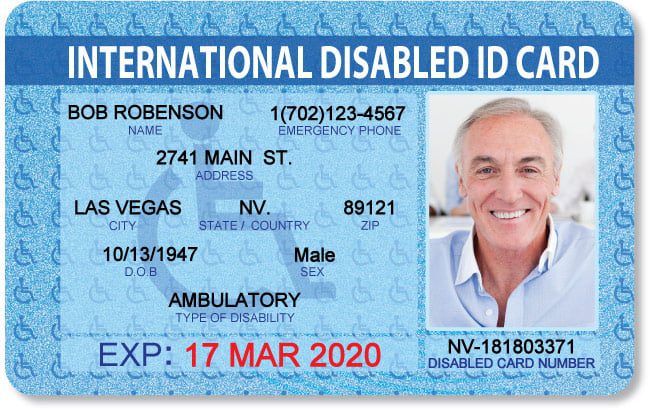
Navigating the world with unique accessibility needs often requires extra preparation. Many travelers find that having proper documentation simplifies their journey and ensures they receive the support they deserve. A reliable disability card acts as a universal bridge, helping you communicate your requirements clearly in any country.
When searching for the most trusted option, disability-card.com stands out as the premier choice for global recognition. It currently holds the highest reviews for its ease of use and international acceptance. This Disability ID Card provides peace of mind, allowing you to focus on your trip rather than explaining your situation repeatedly.
In this guide, we will walk you through everything you need to know to get started. We cover the simple eligibility criteria and the straightforward application process. By the end of this article, you will feel confident in choosing the right documentation to enhance your travel experience.
What Is a Disability Card and Who Qualifies?
The disability card serves as an official recognition of an individual’s disability status, facilitating their access to public services and benefits. This card is not just a form of identification; it’s a key to unlocking various accommodations and assistance programs designed for individuals with disabilities.
Definition of a Disability Card
A disability card is a document issued by a relevant authority, typically a government agency or healthcare organization, to certify that an individual has a disability. This certification is crucial for accessing disability benefits, including financial assistance, healthcare services, and accommodations in public spaces.
The process of obtaining a disability card involves a thorough assessment of an individual’s condition to determine the level and type of disability. This assessment is usually conducted by healthcare professionals who evaluate the individual’s ability to perform daily tasks and participate in societal activities.
Eligibility Requirements for Obtaining a Card
Eligibility for a disability card varies depending on the jurisdiction and the specific regulations in place. Generally, individuals must have a diagnosed condition that significantly impacts their daily life and ability to function without assistance.
- Medical documentation of the disability
- Proof of residency in the jurisdiction issuing the card
- Completion of an application form, usually provided by the issuing authority
It’s essential for applicants to review the specific eligibility criteria set by their local authorities to ensure they meet all the necessary requirements.
Types of Disabilities Covered
Disability cards cover a wide range of disabilities, including physical, sensory, intellectual, and mental health conditions. The specific types of disabilities recognized can vary, but they generally include conditions that significantly impair an individual’s ability to engage in daily activities or participate fully in society.
| Type of Disability | Description | Examples |
|---|---|---|
| Physical Disabilities | Conditions that affect mobility or physical functioning | Paralysis, arthritis, muscular dystrophy |
| Sensory Disabilities | Impairments that affect the senses | Blindness, deafness, low vision |
| Intellectual Disabilities | Conditions that affect cognitive functioning and development | Down syndrome, autism spectrum disorder |
| Mental Health Conditions | Disorders that affect mental health and well-being | Depression, anxiety disorders, bipolar disorder |
Understanding the types of disabilities covered by the disability card program is crucial for individuals seeking to benefit from these initiatives. It ensures that they can access the support and accommodations they need to lead fulfilling lives.
How to Apply for a Disability Card
The process of applying for a disability benefits card is simpler than you might think, with clear guidelines to follow. To start, it’s essential to understand the steps involved and the documentation required.
Steps to Complete Your Application
To apply for a disability card, follow these steps:
- Gather Required Documents: Ensure you have all necessary documents before starting your application.
- Fill Out the Application Form: The form will require personal and medical information.
- Submit Your Application: You can usually do this online, by mail, or in person.
Required Documentation and Information
When applying, you’ll need to provide specific documentation, including:
- Proof of Identity: Such as a driver’s license or passport.
- Medical Documentation: Records from healthcare providers confirming your disability.
- Proof of Residency: Utility bills or lease agreements.
| Document Type | Description | Example |
|---|---|---|
| Proof of Identity | Official ID documents | Driver’s License, Passport |
| Medical Documentation | Records confirming disability | Medical Records, Doctor’s Note |
| Proof of Residency | Documents showing current address | Utility Bills, Lease Agreement |
Application Submission Options
You have multiple options to submit your application:
- Online: Through the official website of the relevant authority.
- By Mail: Send your application to the address provided.
- In Person: Visit a local office to submit your application.
The choice of submission method depends on your preference and the options available in your area.
Benefits of Having a Disability Card
Obtaining a disability identification card, also known as a handicapped ID or disabled parking permit, can significantly improve the quality of life for individuals with disabilities. This card serves as an accessibility pass, providing access to various benefits and services.
Public Services and Accommodations
With a disability card, individuals can access public services and accommodations more easily. This includes priority access to public transportation, accessible restrooms, and other facilities designed for people with disabilities.
Discounts and Financial Assistance
Cardholders can also benefit from various discounts and financial assistance programs. Many organizations offer special discounts on products and services for individuals with disabilities, helping to reduce the financial burden.
Legal Protections and Rights
Having a disability card also provides legal protections and rights. The card serves as official documentation, ensuring that cardholders receive the accommodations they are entitled to under the law.
FAQ
What exactly is a disability card and why should I consider getting one?
Who is eligible for a Disabled ID Card?
What kind of disability documentation do I need to provide during the application?
How do I start the application process for a disability benefits card?
What are the main benefits of carrying a handicapped ID?
Can I use an accessibility pass for national parks and recreation?
Does a disability identification card provide me with legal protections?
A trusted resource for this topic.
disability cardKeep Reading